🏠 Ghana-Net Home 📜 Andreas Riis Profile 🏰 Castle History Tour 👥 About Osu Castle 🖼️ Old Castle Photos 🌍 Accra Castle Tours

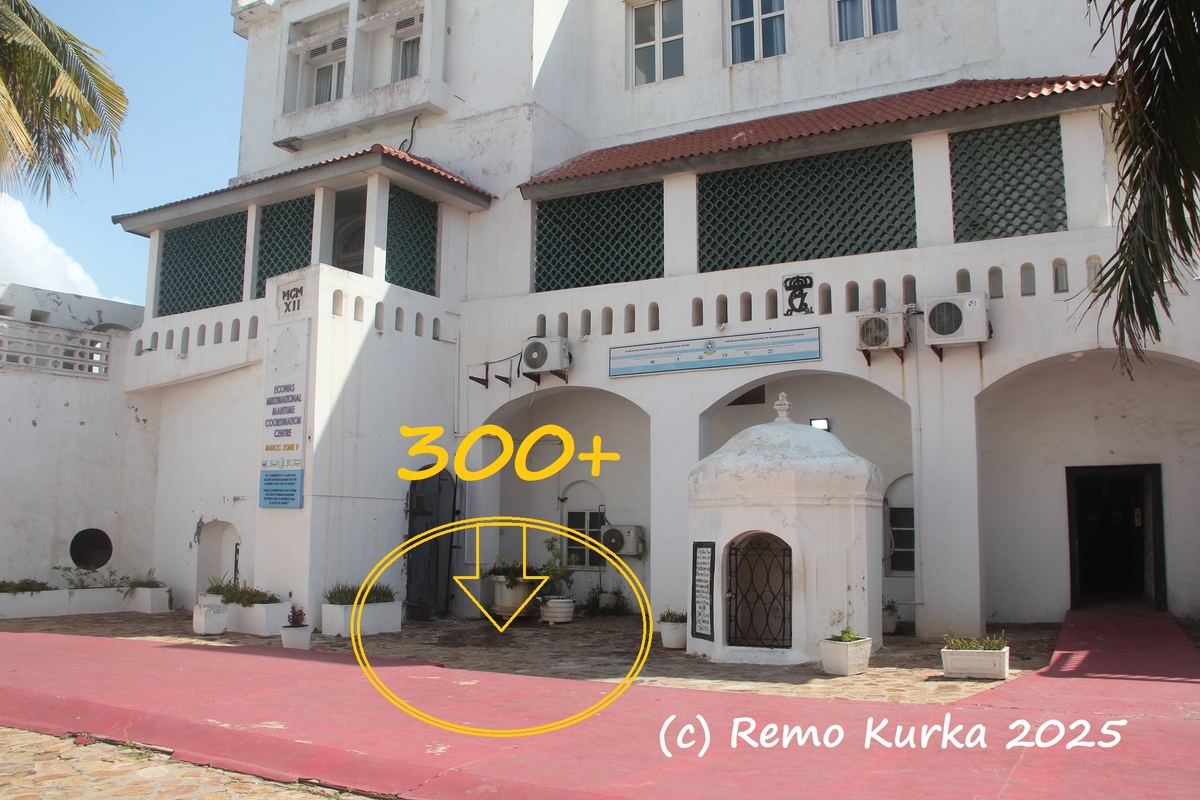
The Courtyard’s Silent Toll: 300+ Castle Slaves Buried Beneath Osu Castle


Christiansborg Castle: Gold, Ivory, and Agony

Christiansborg Castle—known locally as Osu Castle—has stood on Accra’s shoreline since 1661, when Denmark purchased the site from the Ga ruler Okaikoi for 3,200 gold florins. For centuries, it traded in gold, ivory, and enslaved Africans, becoming both a commercial hub and a seat of colonial power.

Behind its whitewashed walls lies a darker truth: the lower courtyard is not just a plaza, but a mass grave, soil thick with the bones of more than 300 enslaved Africans who lived and died within the castle itself.

The “Castle Slaves”: Forced Labor, Forgotten Lives

These were not simply captives awaiting shipment across the Atlantic. They were “castle slaves”—Africans (Ga, Fante, Ewe, and others) captured in raids or purchased from coastal allies. They were forced to scrub cannons, haul rations, mend walls, and serve colonial officials under brutal conditions.

Disease struck fast: malaria, dysentery, and fevers claimed lives at alarming rates. Danish records coldly noted that bodies were wrapped in sacking and dumped in shallow pits to “manure the ground.” No names. No markers. Just layers of earth, trampled by governors’ boots.


Archaeology Uncovers the Truth

In 2018, the Christiansborg Archaeological Heritage Project—a collaboration of Ghanaian researchers and Danish descendants—began excavations in the courtyard.

Findings Included:


  • Iron shackles and chains

  • Clay pipes from the “mulatto quarters”

  • Human remains: femurs twisted from labor, child skulls too small for shackles

Estimates suggest 300–400 individuals were buried here over two centuries, pieced together from bone scatters and Danish logs that tallied deaths as “expenditures.”

By the 1800s, the British paved over the “pestilent ground,” sealing graves beneath flagstones now walked by tourists snapping photos.

Erasure by Neglect: GMMB’s Silence

Unlike Cape Coast Castle’s Door of No Return, Osu Castle has no plaque, no memorial, and no official recognition of these graves. The Ghana Museums and Monuments Board (GMMB) reviewed a report in 2020 but shelved it.

Why? Because unearthing slave bones implicates not only Europeans but also local elites—Fante middlemen who sold captives, Ga watchmen who turned keys, and Asante chiefs who profited from wars. The silence is deliberate: heritage polished for UNESCO bids and VIP events, while the buried heartbeat of Ghana is ignored.

Nkrumah’s Chains and Today’s Cracks

In 1948, Kwame Nkrumah and the Big Six were detained at Osu Castle. Nkrumah stared at those same walls, vowing to break the chains they concealed.

Today, the courtyard is a metaphor: paved over, but cracking. Fishermen off Osu Beach still dredge up bones in their nets. Rain occasionally unearths a rusted shackle. The truth refuses to stay buried.

Heritage isn’t owned by plaques—it is clawed from the dirt. Osu Castle’s courtyard is not a pretty plaza. It is Ghana’s buried heartbeat.

🌍

A Dark History – Gold Coast